Brian's Final Portfolio
A curated collection of photos and videos with personal notes.
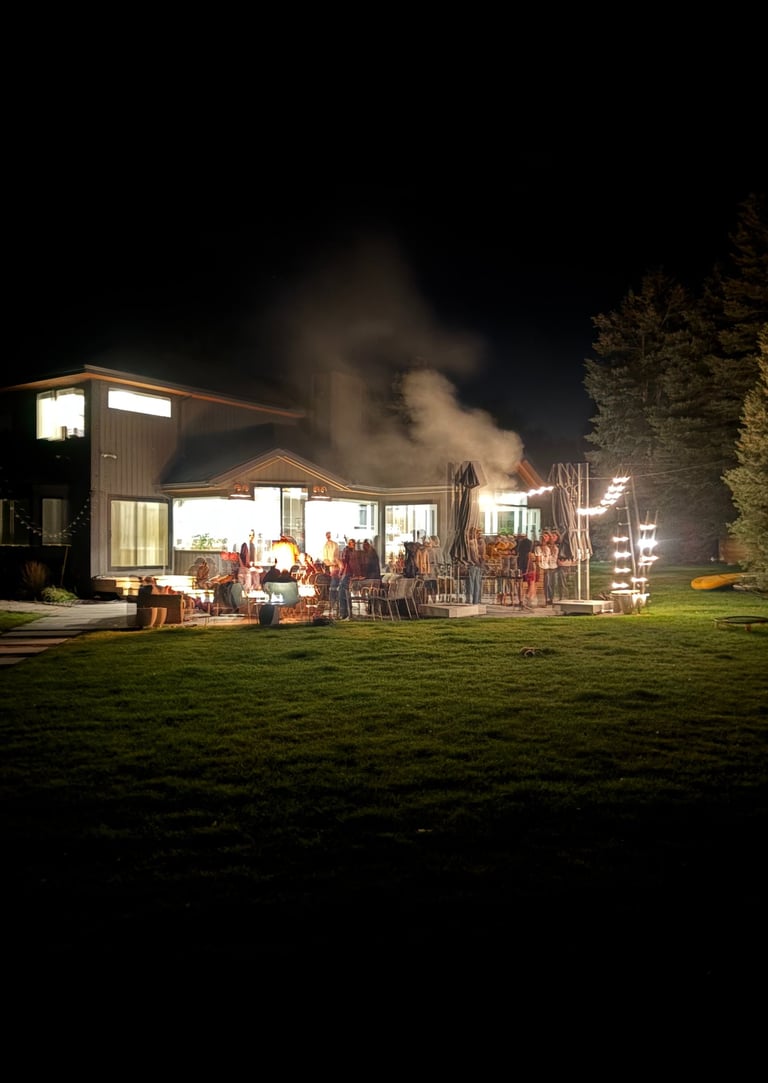
This is the still image I am choosing to represent myself. I took this photo at a friends house while everyone was at the party. I like how it captured everyone in a state of movement in a single frame. I think that this represents my first semester at Boulder and how I'm constently moving and being active while doing the same thing every day.
I took this course for a few different reasons. First of all, I am dedicated to becoming a filmer, and using cameras and media throughout my life. I grew up skiing and over time realized that all I want to do is make ski movies. I came to CU because I knew it offered a great path to succeed in my mission. I saw this class while registering and thought it would give me perfect base knowledge to understand media, and other filming aspects. One key thing that I took away from this class is how people actually capture feelings and attention. From learning about showing experiences to indulging people in experiences, it gave me a good grasp of what aspects to capture during a film.
Critical Themes
A collection of photos and videos prominent themes througout the course
Understanding of Media
Creative Production and Experimentation
Media technology and environments
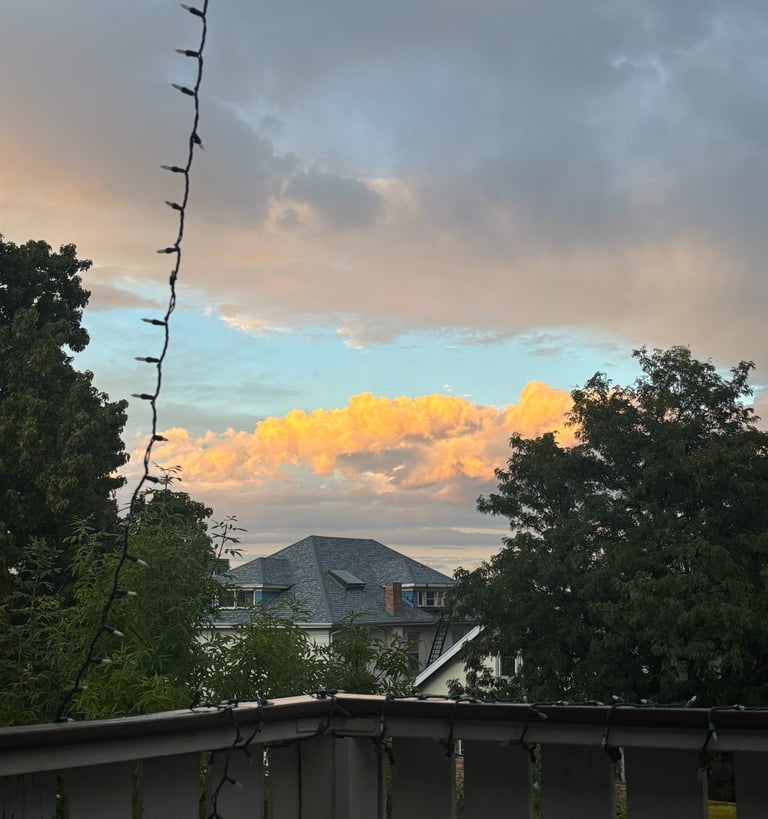
Over the course of this semester we have touched on a few different key topics and themes. The first important theme I chose to document is the critical understanding of media. We learned to analyze images through every different aspect of that image. Looking at foreground, background and more, gaining an overall understanding of an image as a whole.
Another aspect of this course commonly touched on is the creative production of media and experimentation of what is possible with media. Many things shown to us during this course gave me an understanding that sometimes people go out to record media with a journey of experimentation and how audiences will react to their work. During this semester I took it apon myself to try to capture unfamiliar aspects of life. In this photo I try to capture how the light affects a setting.
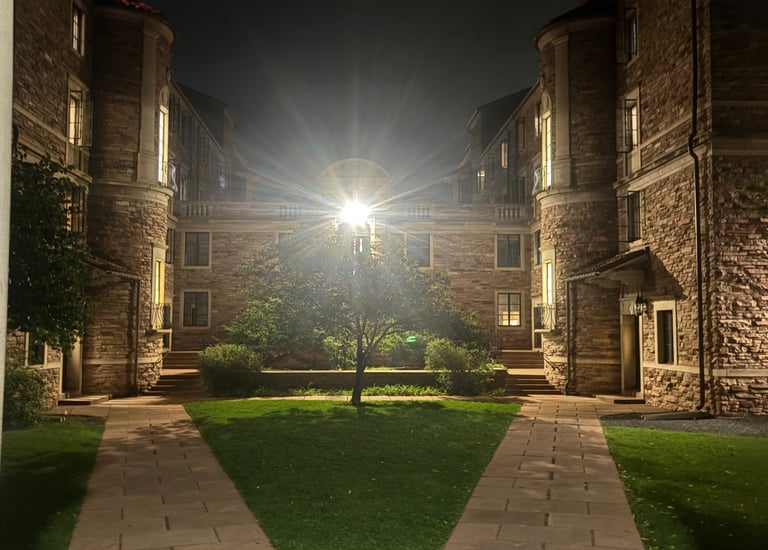
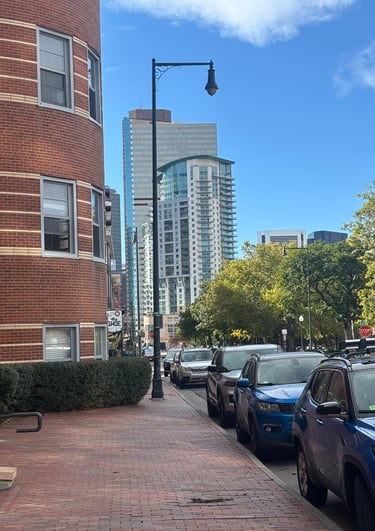
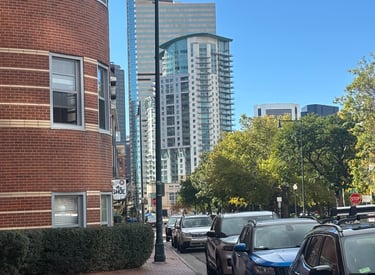
The last theme of this course that I thought was relevant to my journals and photos is media technology and environments. I thought that capturing different environments was a reliable way to invoke different feelings from the media. I like taking photos of architecture and I chose this image because I thought it highlighted how unique architecture can change the feeling of an environment. The building that the camera is focused on is much more enticing and thought out rather than just being a block building. This architecture changes how the neighborhood is looked at, ultimately shifting the feel of the environment.
Visual representation of my eye changing
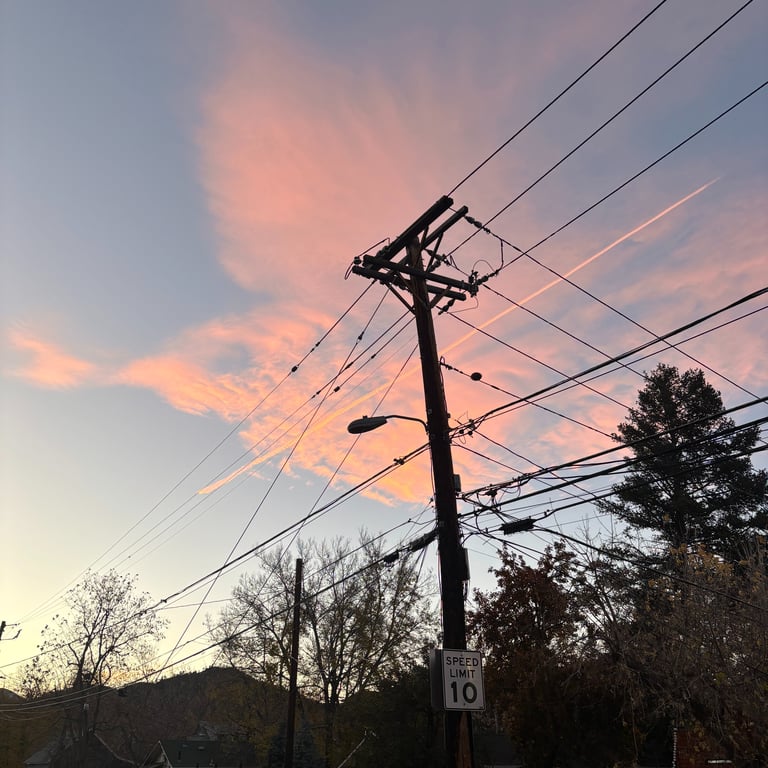
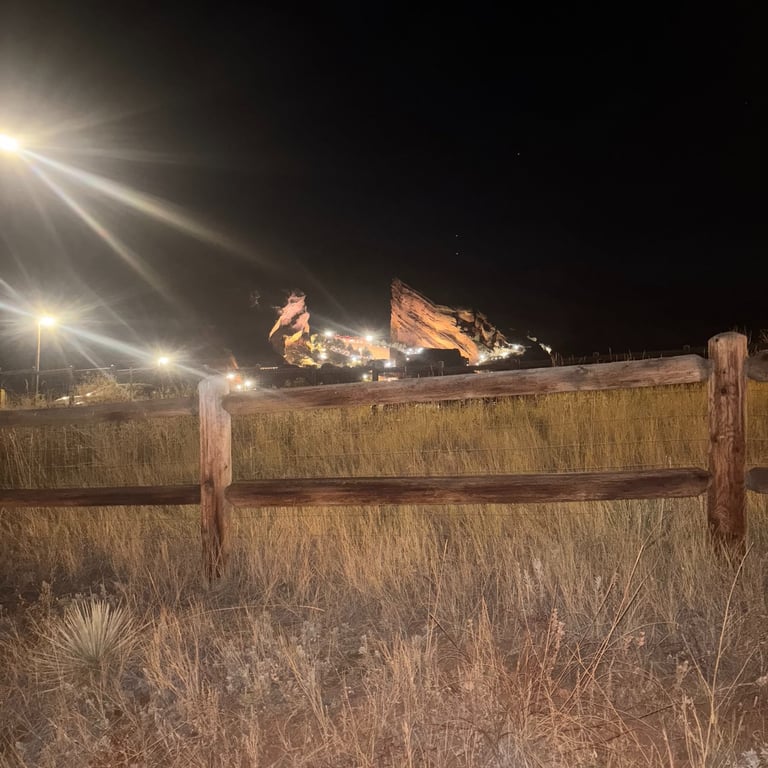
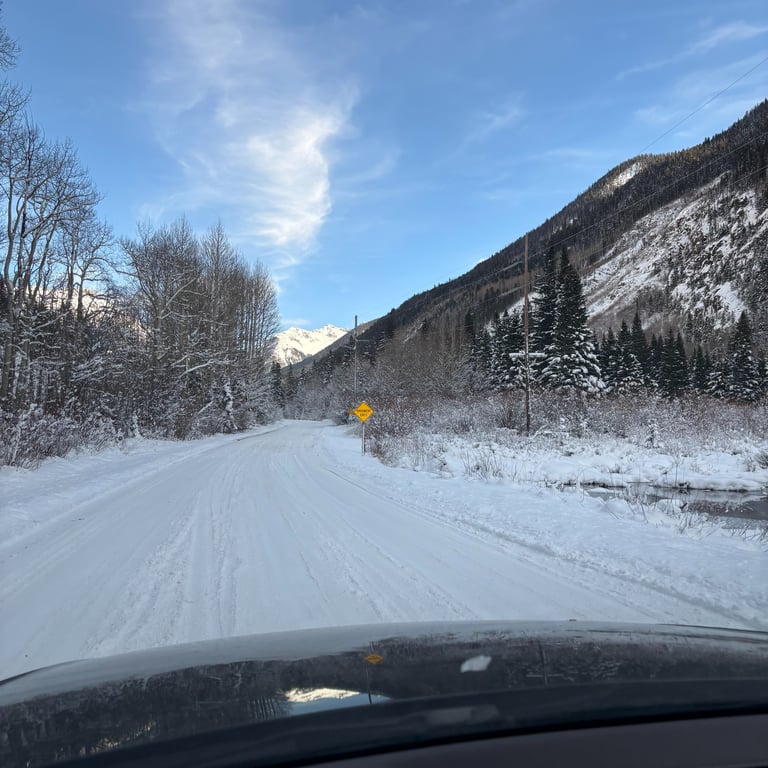
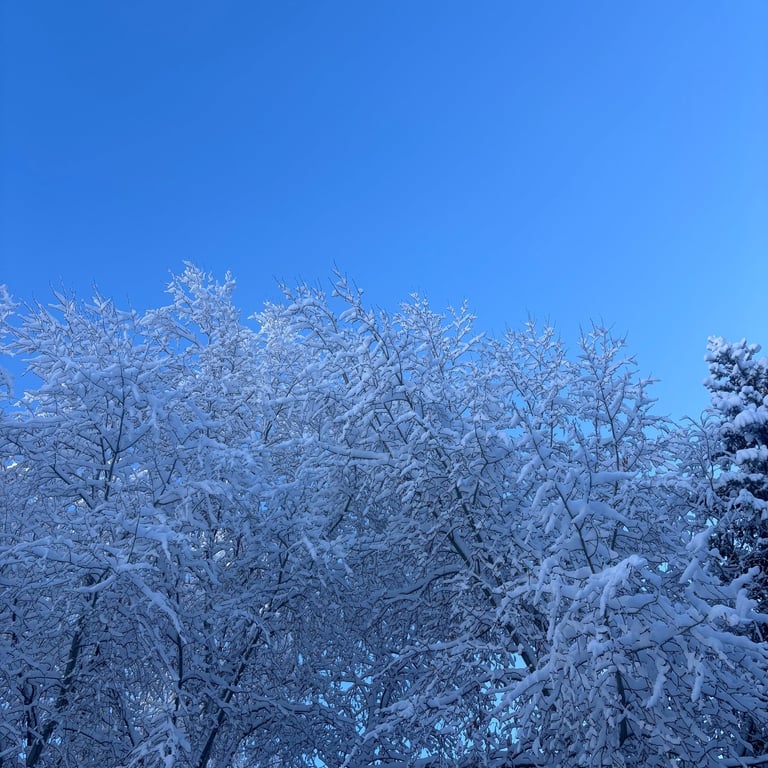
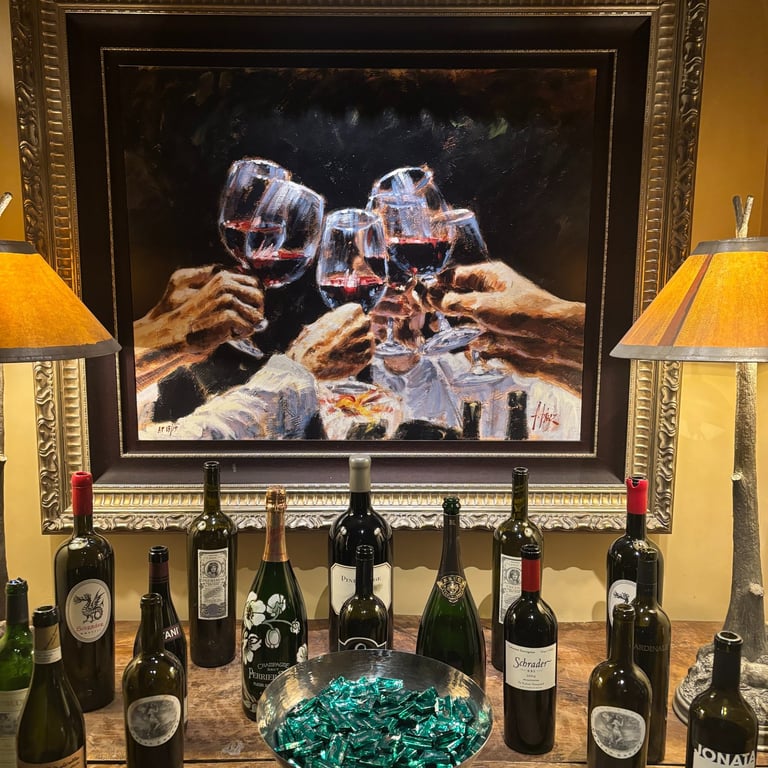
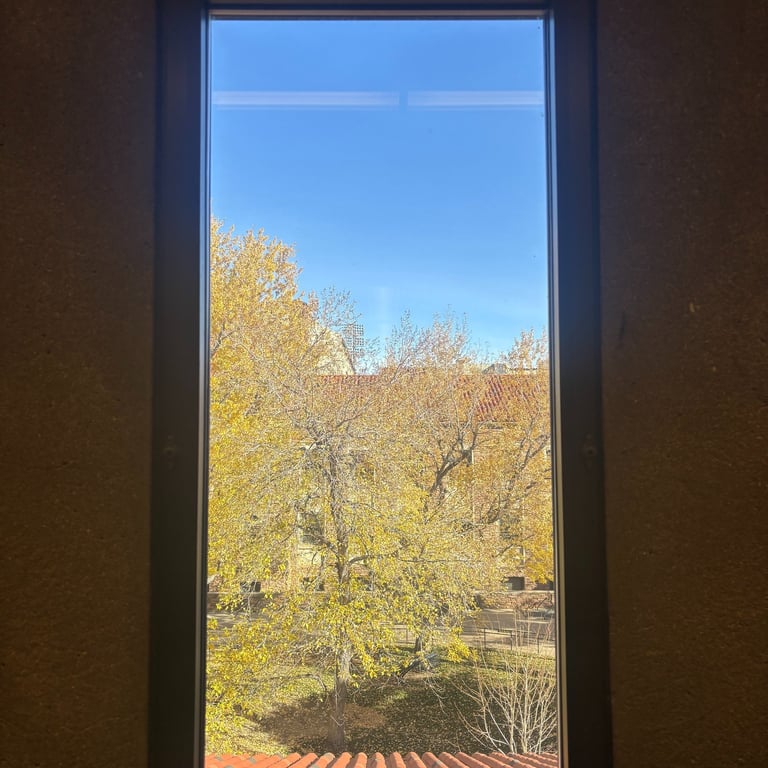
After taking 10 photos every week, I feel like I learned a few things. First off all, I think that I learned how to position subjects in my photos more efficiently and effectively. I started out by taking photos with no frame, no care about where the subject was within the frame, and also balance within the photo. I think that I got better at balancing my photos better and giving them more value. I think my photos evolved because I was looking at a lot of inspirational photos and studying how they stationed things within their photos. Taking advice from experienced people was a good idea in my opinion because they know what they are doing because they have lots of experience taking photos. Understanding why they positioned things the way they did definitely helped me take better photos with clearer purpose. Overall I definitely think that I learned key lessons about taking photos over this semester.
Social Media Short Story

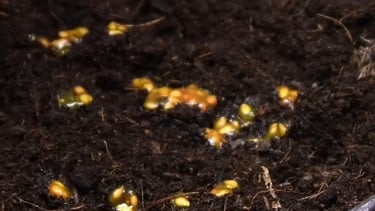
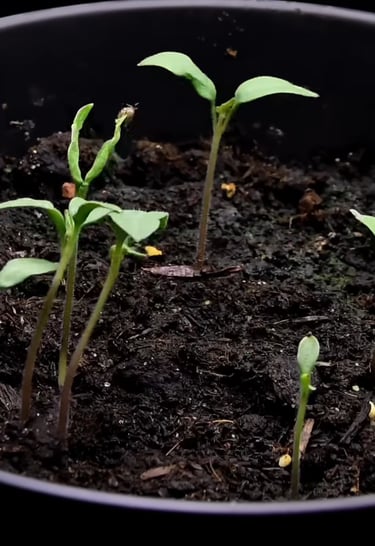
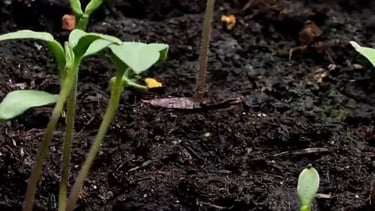
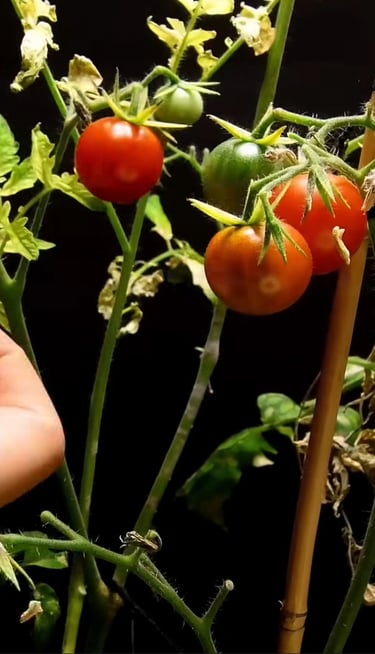
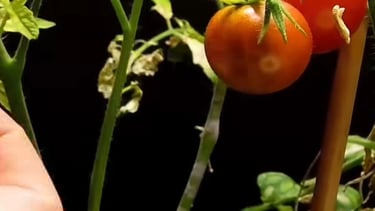
For the Social Media Short Story project, I took time to find an account that documents the process of plants growing in a short period of time. I watched this tomato plant grow, taking photos of steps it made throughout the process. I think that the use of social media definitely helped the story I was trying to tell because it gave me a great documentation of this plant growing. At first I was trying to tell a story of a sapling growing, while viewed at a totally different time frame. It is similar to parents watching their kids grow old. From a kids perspective life moves very slowly as they cherish every moment they live, but from a parents perspective they grow old before they even notice. I thought that this process is very similar to the plant growing as we watch at an extremely fast time frame.
I chose this type of media because I thought it could best emulate the message I was trying to convey. By having the photos of the tomato plant growing each time, it gives a clear message that its growing very fast from our perspective. I thought that this was the easiest way to show what I was trying to say. I think that any other form of media for this project would have been confusing and not very easy to understand. I think the only issue I really ran into was just finding a sufficient video to showcase this message.
Making the metaphor of self video was very cool for a few different reasons. I liked the idea of getting a bunch of different short clips that showed what kind of life I live. It took a while to get all the short clips from my camera roll because they were so spread out over time. After I got all the clips together, I used a video editing app called Cap Cut to splice the clips together. I thought it was a good idea to only show short clips because it symbolized how my life moves very fast. From the peaceful clips to the rushing of a waterfall. I also had to include some clips of me skiing because I think that is a huge aspect of my life. I have done a good amount of video editing through skiing so I knew the process pretty well. I didn't have too much trouble getting through this assignment, other than finding relevant clips. Although I have done a good amount of video editing I haven't done anything quite like this. By making the video with short clips, I needed to find the most interesting part of every clip, forcing me to spend a bit more time than usual.
Hypermedia Project
A curated glimpse into my visual journey.